Nestled in the heart of the Coral Triangle, Raja Ampat is a name whispered with reverence among divers, marine biologists, and intrepid travelers. This remote archipelago, located off the northwest tip of Indonesia's Papua province, is not merely a destination; it is a pilgrimage. It is the ultimate mecca for the diving world, a place where the very concept of underwater biodiversity is redefined and the term 'pristine' finds its truest meaning. The name itself, translating to 'Four Kings,' hints at the regal and otherworldly experience that awaits beneath its turquoise waves.
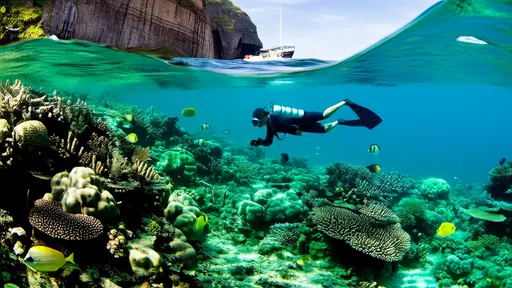
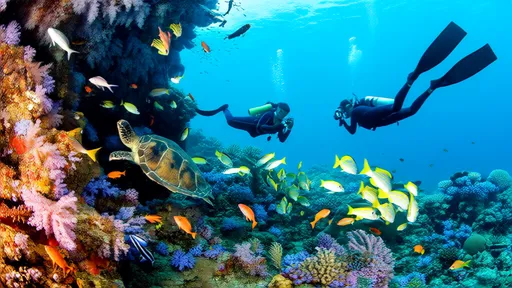
The sheer scale of life here is staggering, almost incomprehensible. Raja Ampat sits at the epicenter of global marine biodiversity, boasting over 1,500 species of fish and more than 550 species of coral. To put that into perspective, this single archipelago is home to 75% of the world's known coral species. Diving here is not like diving anywhere else. It is a sensory overload in the most magnificent way possible. Schools of fish move as immense, shimmering clouds that block out the sun. Reefs are not just colorful; they are architecturally complex metropolises teeming with creatures great and small, from the elusive pygmy seahorse to the majestic manta ray. The water is a living, breathing entity, and every descent is an immersion into the planet's most vibrant and healthy aquarium.
The experience varies dramatically from one site to the next, offering a diver's palette of unparalleled variety. In the Dampier Strait, powerful currents funnel nutrients through the channels, creating a thrilling drift dive where you might be surrounded by giant trevallies, bumphead parrotfish, and even hammerhead sharks. At sites like Cape Kri or Chicken Reef, the sheer density of life is overwhelming, with every square inch of the reef pulsating with activity. For those seeking a more serene encounter, the gentle manta rays of Arborek Island's cleaning stations perform a graceful, hypnotic ballet, gliding effortlessly mere feet above the sandy bottom. And in the serene bays of Misool, the southernmost island group, the underwater landscape transforms into a fantastical garden of soft corals, sea fans, and bizarre critters perfect for macro photography.
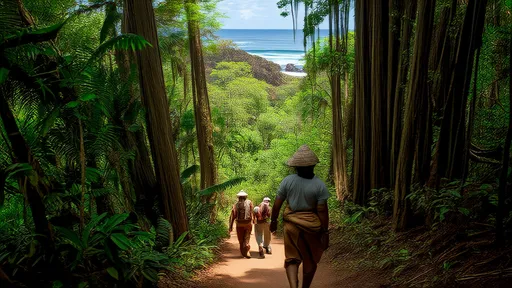
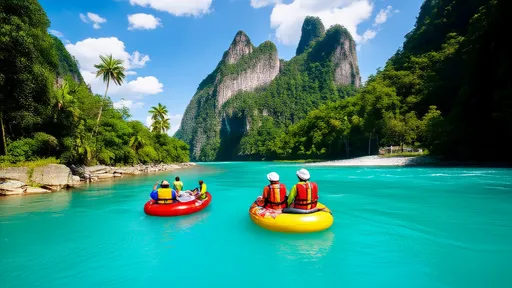
But the magic of Raja Ampat is not confined to its world-class diving. The islands themselves are a spectacle of raw, untamed beauty. The landscape is a dramatic composition of jagged limestone karsts cloaked in emerald jungle, which rise sheer from the sea, creating hidden lagoons and secret beaches with sand so white it seems to glow. The viewpoint on Piaynemo offers a vista so iconic it has become the poster image for the region—a breathtaking mosaic of tiny, tree-topped islets scattered across a canvas of impossible blues. This is a land where nature is still very much in charge, a reminder of a world untouched by time.
The commitment to conservation is the silent guardian of this paradise. Recognizing the immense global value of its ecosystems, much of Raja Ampat has been designated as a marine protected area. Local communities, often in partnership with conservation organizations, are at the forefront of these efforts. They understand that the health of their environment is directly tied to their livelihood and culture. Initiatives range from patrolling against illegal fishing to cultivating giant clams and monitoring manta ray populations. This is not a museum piece under glass; it is a living, working example of how sustainable tourism and conservation can, and must, go hand-in-hand to preserve such a treasure for generations to come.
Reaching this mecca is part of the adventure, a journey that reinforces its remote and exclusive nature. There are no direct international flights. The typical route involves flying into the Indonesian capital, Jakarta, or the hub of Sorong in West Papua. From Sorong, a short ferry ride takes you to the main town of Waisai on Waigeo Island, the gateway to the archipelago. Most visitors then transfer to their liveaboard dive boat or island resort. This journey, while sometimes long, serves as a decompression chamber, gradually stripping away the noise of the modern world and preparing you for the raw, unfiltered experience that awaits.
Choosing how to experience Raja Ampat is a key decision. Liveaboard boats are the most popular option for serious divers, allowing access to the most remote and pristine sites across the vast archipelago over multi-day trips. They offer the ultimate flexibility to chase the best conditions. Alternatively, a growing number of eco-resorts on islands like Kri, Gam, and Arborek provide a land-based option, often with strong ties to local villages. These resorts offer a more immersive cultural experience and are perfect for mixed groups where not everyone may be a hardcore diver. Whether on a boat or an island, the rhythm of life syncs with the sun and the tides.
Ultimately, a trip to Raja Ampat is transformative. It is more than a holiday; it is a profound encounter with nature operating at its most potent and prolific. It resets your baseline for what a healthy ocean looks like. You surface from every dive not just with photographs, but with a renewed sense of wonder and a urgent understanding of what we stand to lose. It is a place that captures your soul and refuses to let go, compelling you to become an ambassador for its protection. For those who answer the call, Raja Ampat is not just the diving mecca—it is the ocean's beating heart.

By /Sep 3, 2025
By /Sep 3, 2025

By /Sep 3, 2025
By /Sep 3, 2025
By /Sep 3, 2025
By /Sep 3, 2025

By /Sep 3, 2025

By /Sep 3, 2025
By /Sep 3, 2025

By /Sep 3, 2025
By /Sep 3, 2025
By /Sep 3, 2025

By /Sep 3, 2025
By /Sep 3, 2025

By /Sep 3, 2025
By /Sep 3, 2025

By /Sep 3, 2025

By /Sep 3, 2025

By /Sep 3, 2025
By /Sep 3, 2025
