Gastric Dilatation-Volvulus, commonly known as GDV or bloat, is a life-threatening condition that predominantly affects large and giant breed dogs, with Great Danes being among the most susceptible. This acute medical emergency occurs when the stomach fills with gas and subsequently twists upon itself, trapping the gas and cutting off blood flow. The consequences are rapid and severe, leading to shock, tissue death, and without immediate surgical intervention, death. For owners of these majestic giants, understanding and implementing preventative strategies is not merely a recommendation; it is a critical component of responsible ownership. The sheer size and deep chests of breeds like the Great Dane, Irish Wolfhound, and Saint Bernard create a perfect anatomical storm for this condition, making proactive measures essential for their longevity and well-being.
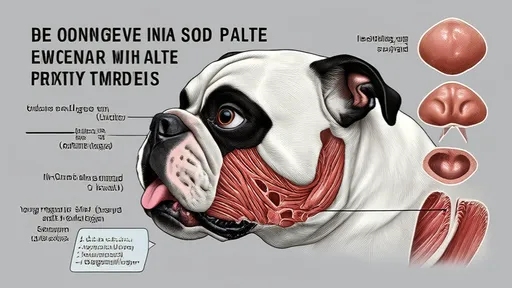
The precise cause of GDV remains a subject of ongoing research, but a confluence of genetic, anatomical, dietary, and environmental factors is strongly implicated. The primary event is the abnormal accumulation of gas, fluid, or foam in the stomach, causing it to expand (dilatation). This distension can then lead to a rotation or torsion of the stomach around its axis (volvulus). This rotation seals off both the entrance to and exit from the stomach, preventing the dog from relieving the pressure by vomiting or belching. As the pressure builds, it compresses major blood vessels, drastically reducing blood return to the heart and causing circulatory shock. The stomach wall, deprived of its blood supply, begins to die, and toxins are released into the bloodstream, leading to systemic organ failure. The entire process can unfold with terrifying speed, sometimes within a matter of hours.
Recognizing the early signs of GDV can mean the difference between life and death. Symptoms often appear suddenly and typically after a dog has eaten a large meal or exercised vigorously afterward. Owners should be acutely aware of non-productive retching; the dog will act as though it needs to vomit but will bring up only small amounts of frothy saliva. A visibly distended, hard, and painful abdomen is a classic sign. The dog will exhibit extreme restlessness, pacing, and an inability to get comfortable, often adopting a stretched-out posture or attempting to lie down only to immediately stand back up. Other signs include rapid shallow breathing, excessive drooling, pale gums, and signs of profound weakness or collapse. Time is of the essence; noticing even one or two of these symptoms warrants an immediate emergency veterinary visit.
While any large dog can be affected, certain breeds are at a significantly higher risk. Great Danes have the highest incidence, with studies suggesting a lifetime risk as high as forty-two percent. Other high-risk breeds include the Weimaraner, Saint Bernard, Gordon Setter, Irish Setter, and Basset Hound. Beyond breed, other risk factors have been identified. Dogs with a first-degree relative (parent or sibling) that has suffered from GDV are at a much higher risk, pointing to a strong genetic component. Age is also a factor, with middle-aged and older dogs being more susceptible than puppies. Additionally, dogs that are lean or underweight for their frame are at a greater risk than those of an average or slightly heavy body condition. Personality may even play a role, as anxious, nervous, or fearful dogs appear to have a higher incidence than their more easygoing counterparts.
One of the most impactful preventative measures a concerned owner can take is a surgical procedure called a prophylactic gastropexy. This elective surgery involves permanently tacking the stomach to the inside of the abdominal wall, preventing it from being able to twist, even if it becomes distended with gas. It is a highly effective procedure, drastically reducing the mortality rate from GDV. While it does not prevent the initial dilatation (bloating), it prevents the far more dangerous volvulus (twisting). Many veterinarians strongly recommend this surgery for high-risk breeds, and it is often performed concurrently with a spay or neuter operation to minimize the number of anesthetic events. For show dogs or breeding animals, an endoscopic-assisted gastropexy can be performed, which is minimally invasive and leaves very small scars. Discussing the timing and method of this procedure with a veterinarian is a crucial step for any owner of a susceptible breed.
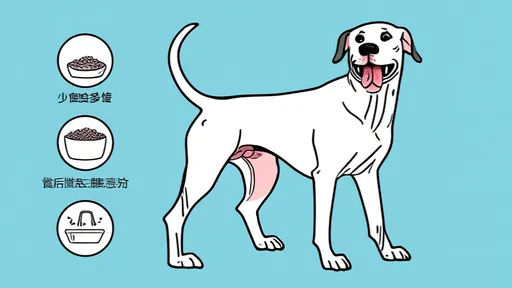
Dietary management is another cornerstone of prevention. The goal is to minimize the factors that contribute to rapid gas production and swallowing air. Feeding two or three smaller meals throughout the day is vastly preferable to one large daily meal. This prevents the stomach from becoming overly full and stretched at any one time. The speed at which a dog eats is also a critical factor. Fast eaters ingest a significant amount of air along with their food, contributing to gas buildup. Using a slow-feed bowl, which has obstructions that force the dog to eat around them, can dramatically slow down ingestion. Placing a large, clean rock or an upside-down bowl in the middle of a regular food dish can achieve a similar effect. Avoiding elevated food bowls was once a common recommendation, but more recent studies have actually linked raised feeders to an increased incidence of GDV in large breeds, so feeding from ground level is now advised.
The type of food offered can also influence risk. Diets that list oil or fat among the first four ingredients may increase susceptibility. Similarly, foods containing citric acid and that are moistened before feeding have been associated with a higher risk, though the data is not entirely conclusive. It is generally recommended to avoid these specific dietary combinations for high-risk dogs. Perhaps most importantly, the timing of exercise in relation to meals is paramount. Strenuous activity, running, playing, or vigorous walking should be strictly avoided for at least one to two hours before and, crucially, after eating. A calm, quiet environment during mealtime and for a significant period afterward allows for proper digestion and reduces excitement and stress, which are known contributors.
A dog's overall environment and stress levels play a subtle but important role in GDV risk. Chronic stress and anxiety can affect digestive motility and function. Creating a calm, predictable household routine can help mitigate this. Furthermore, ensuring fresh water is always available is vital, but limiting the amount of water a dog drinks in a single session, especially right after eating, can be prudent. Allowing frequent, small drinks is better than permitting a thirsty dog to gulp down a huge volume of water at once, which can contribute to stomach distension. For multi-dog households, feeding dogs separately can reduce the competition and stress that leads to rapid eating.
Despite our best efforts, genetics can still prevail. Therefore, knowing the emergency plan is as important as prevention itself. Every owner of a giant breed should have the phone number and address of the nearest 24-hour emergency veterinary clinic programmed into their phone and saved in a visible location at home. Time is the enemy during a GDV event; knowing exactly where to go without hesitation can save precious minutes. It is also wise to have a financial plan, as emergency surgery for GDV is costly. Pet insurance that covers emergencies, a dedicated credit card, or access to a service like CareCredit can ensure that financial constraints do not delay life-saving treatment.
In conclusion, guarding a giant breed dog against Gastric Dilatation-Volvulus requires a diligent, multi-faceted approach. There is no single magic bullet, but rather a combination of informed management strategies that together form a powerful shield. A proactive gastropexy stands as the single most effective medical intervention. This is then supported by thoughtful dietary practices, such as multiple small meals served in slow-feed bowls, careful selection of food ingredients, and strict management of exercise schedules. Underpinning it all is a stable, low-stress environment and a well-prepared emergency plan. For those of us blessed with the companionship of these gentle giants, this vigilant and proactive stance is a small price to pay for the years of loyalty and love they provide. By embracing these measures, we can significantly stack the odds in their favor, giving them the best chance at a long, healthy, and happy life free from this devastating condition.
By /Aug 20, 2025
By /Aug 20, 2025
By /Aug 20, 2025
By /Aug 20, 2025
By /Aug 20, 2025
By /Aug 20, 2025
By /Aug 20, 2025
By /Aug 20, 2025
By /Aug 20, 2025
By /Aug 20, 2025
By /Aug 20, 2025
By /Aug 20, 2025
By /Aug 20, 2025
By /Aug 20, 2025

By /Aug 20, 2025
By /Aug 20, 2025

By /Aug 20, 2025
By /Aug 20, 2025

By /Aug 20, 2025
By /Aug 20, 2025
